

Introduction
Garbage compactor trucks play a crucial role in the management of hazardous materials, helping to ensure the safe collection, transportation, and disposal of waste that poses risks to human health and the environment. These specialized vehicles are equipped with advanced technologies and features that enable them to handle hazardous materials efficiently and effectively. In this article, we will explore the importance of garbage compactor trucks for hazardous materials management, their key features and functions, as well as the challenges and opportunities in this vital aspect of waste management.
Importance of Garbage Compactor Trucks for Hazardous Materials Management
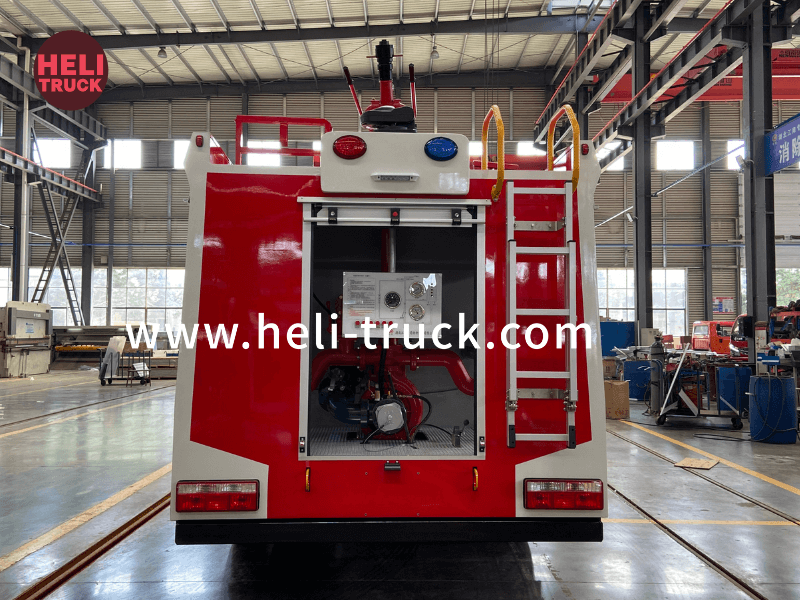
Hazardous materials, also known as hazardous waste, are substances that are potentially harmful to human health and the environment. These materials can include chemicals, solvents, heavy metals, radioactive materials, and other toxic substances that require careful handling and disposal. Improper management of hazardous materials can lead to serious health and environmental consequences, making it essential to have dedicated vehicles and processes in place to deal with these materials safely.
Garbage compactor trucks are specially designed to collect, transport, and compact hazardous materials, reducing the volume of waste and minimizing the risks associated with their handling. These trucks are equipped with sealed compartments and advanced safety features to prevent leaks, spills, and other incidents that could pose a danger to workers, the public, and the environment. By using garbage compactor trucks for hazardous materials management, waste management companies and municipalities can ensure compliance with regulations, protect public health, and safeguard the environment from the harmful effects of improper waste disposal.
Key Features and Functions of Garbage Compactor Trucks for Hazardous Materials
Garbage compactor trucks for hazardous materials are equipped with a range of features and functions that make them well-suited for handling toxic and dangerous waste. Some of the key features of these specialized vehicles include:
1. Sealed https://www.heli-truck.com/garbage-compactor-truck/ : Garbage compactor trucks have sealed compartments that prevent hazardous materials from leaking or spilling during collection and transport. These compartments are designed to contain and isolate the waste, reducing the risk of exposure to harmful substances.
2. Hazardous Waste Storage Tanks: Some garbage compactor trucks are equipped with specialized storage tanks for hazardous materials, allowing for safe and secure containment of toxic waste until it can be properly disposed of at a designated facility.
3. Advanced Ventilation Systems: To prevent the buildup of fumes and odors inside the truck, garbage compactor trucks are equipped with advanced ventilation systems that ensure a safe and healthy working environment for operators.
4. Hydraulic Compaction Systems: Garbage compactor trucks use hydraulic systems to compact waste, reducing its volume and increasing the efficiency of waste collection and transport. This technology allows for more waste to be transported in a single trip, reducing the number of journeys required and minimizing fuel consumption.
5. Leak Detection and Spill Prevention Systems: To further enhance safety, garbage compactor trucks are equipped with leak detection and spill prevention systems that alert operators to any potential issues with the containment of hazardous materials. These systems help to prevent accidents and ensure that waste is handled in a responsible and environmentally sound manner.
Challenges and Opportunities in Hazardous Materials Management with Garbage Compactor Trucks
While garbage compactor trucks play a vital role in hazardous materials management, there are several challenges and opportunities in this field that warrant attention. Some of the key challenges include:
1. Regulatory Compliance: Ensuring compliance with regulations governing the handling and disposal of hazardous materials can be complex and time-consuming. Waste management companies and municipalities must stay up-to-date on relevant laws and standards to avoid fines and penalties for non-compliance.
2. Training and Safety: Operating garbage compactor trucks for hazardous materials requires specialized training and safety protocols to protect workers and the public from exposure to toxic substances. Providing comprehensive training programs and safety equipment is essential to minimize risks and ensure a safe working environment.
3. Environmental Impact: Improper management of hazardous materials can have serious environmental consequences, including contamination of soil, water, and air. Garbage compactor trucks must be used responsibly to prevent pollution and protect natural resources for future generations.
4. Technological Advancements: Advancements in technology, such as sensors, monitoring systems, and automation, offer opportunities to enhance the efficiency and safety of garbage compactor trucks for hazardous materials management. Investing in new technologies can improve waste management processes and reduce the environmental footprint of waste collection and disposal.
Conclusion
Garbage compactor trucks are indispensable tools for the safe and effective management of hazardous materials, providing a critical link in the waste management chain that protects public health and the environment. By utilizing advanced features and technologies, these specialized vehicles enable waste management companies and municipalities to handle toxic waste responsibly and in compliance with regulations. While there are challenges in hazardous materials management, such as regulatory compliance and environmental impact, there are also opportunities for innovation and improvement through training, safety measures, and technological advancements. Ultimately, garbage compactor trucks for hazardous materials play a vital role in safeguarding our communities and ecosystems from the harmful effects of toxic waste, making them an essential asset in the field of waste management.